
TL;DR
- Enamel cannot regenerate once it’s lost, because the cells that build it are gone by the time each tooth erupts.
- Saliva can re-mineralize enamel that has only started to weaken, but that process reverses once your mouth’s pH drops below about 5.5.
- A 2025 systematic review of randomized clinical trials found hydroxyapatite toothpaste performs comparably to fluoride toothpaste, and in a head-to-head trial, it outperformed fluoride on early enamel damage.
- Once enamel has fully worn away, only dental restoration such as bonding, a veneer, or a crown can restore the tooth.
You’ve probably seen the ads claiming that a tooth, like any bone in the body, when damaged, can heal itself… with the right product. Generally, these products are pastes that remineralize the tooth and help protect the enamel.
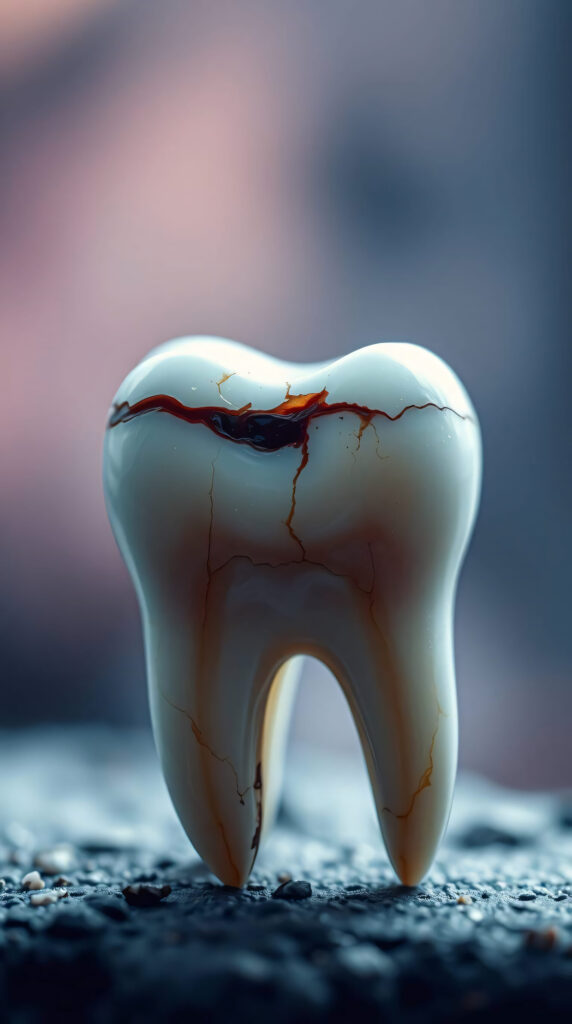
However, some of these ads are very misleading by showing photos of teeth with enamel that has been worn away or a tooth that is cracked down to the gumline. So, we wanted to share information to help clear up any confusion.
What is Remineralization?
Remineralization is a natural tooth repair process.
When you eat and drink throughout the day, your teeth lose minerals. This process is called demineralization.
The good news is that your body can remineralize your teeth throughout the day by taking minerals from your saliva and depositing them back into your teeth.
However, when your body is unable to replace the minerals that it loses through demineralization, i.e., eating a lot of acidic and sugary foods, excessive plaque buildup from irregular brushing, or due to a lack of saliva, then you are likely to get a hole in your enamel, or what we all know as a cavity.
Does Enamel Grow Back?
The short answer is no.
A fact that may surprise you is that tooth enamel forms only once. Specialized cells called ameloblasts build enamel before a tooth erupts, then they disappear.
Bone has living cells that keep repairing it for a lifetime; enamel has no such cells and no blood supply once your teeth are in place. That’s why a dentist will always tell you the same thing: enamel that wears away is gone for good, no matter what you brush with.
Marketing vs. Science
A growing number of toothpaste brands, especially those built around hydroxyapatite toothpastes, now market themselves as literally rebuilding enamel.
Like fluoride, hydroxyapatite toothpastes support enamel remineralization. However, these products are not able to regrow a portion of a chipped-away tooth or fix a deep cavity.
So, when you see an ad that states their product can “rebuild” tooth enamel, just know that what the product does is help remineralize the tooth enamel.
Fluoride vs Hydroxyapatite: What Really Works
Fluoride remineralizes tooth enamel and is well studied. And a recent study has shown that hydroxyapatite toothpaste works as well as fluoride toothpaste for remineralizing.
That said, there is a lot you can do to improve the health of your enamel besides the type of toothpaste you choose. Such as:
- Brushing and flossing twice a day
- Limiting sugary foods and drinks
- Seeing your dentist on a regular basis
When Remineralization Isn’t Enough
Early enamel loss feels like sensitivity, and it looks like chalky white spots or light surface wear. The good news is that enamel loss does respond to consistent care.
However, visible dents, yellowing where the dentin underneath shows through, and rising sensitivity as it nears the nerve may mean that there’s no mineral structure left for anything to bond to, so remineralization will not work.
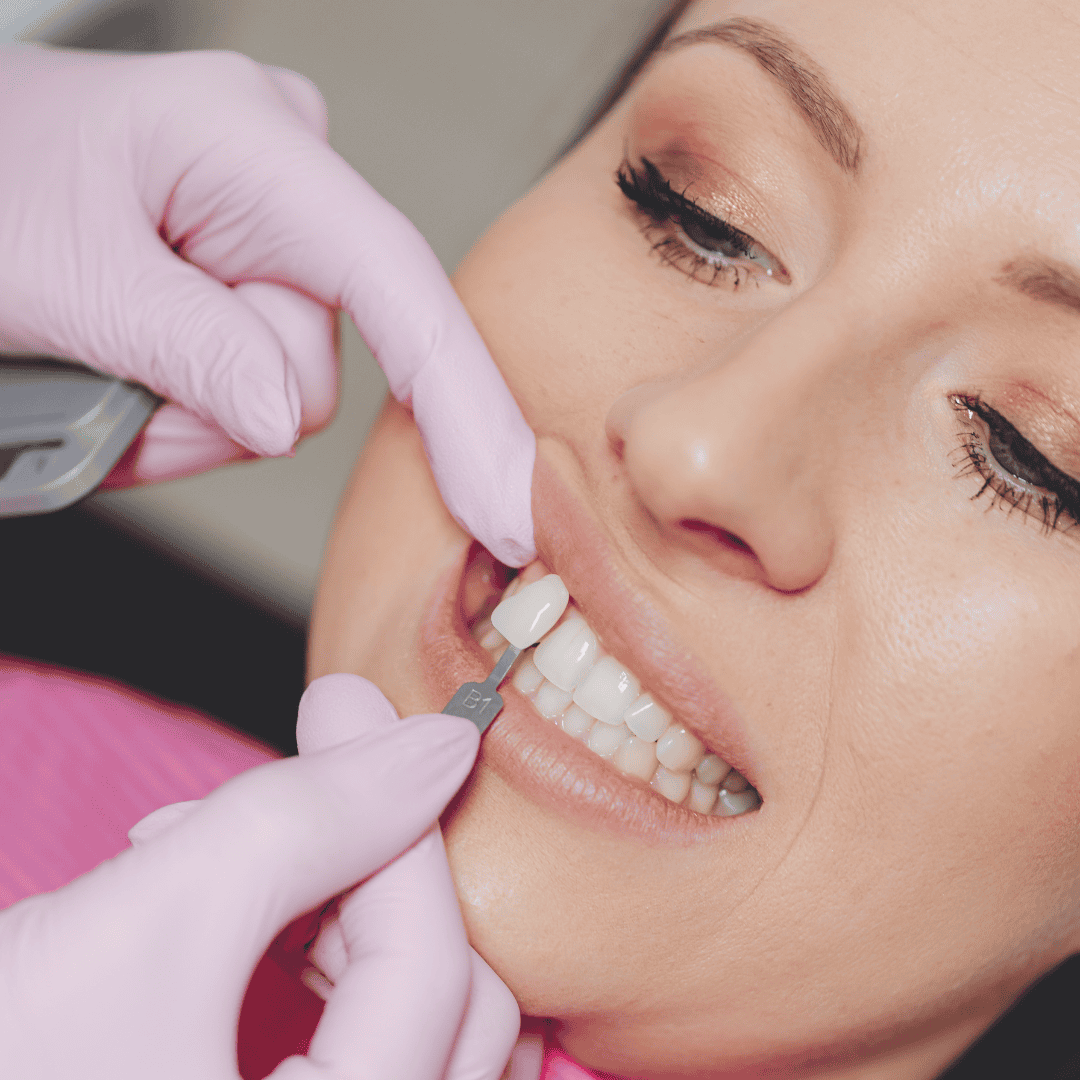
In this case, the only options left are likely restorative: bonding, veneers, or crowns, depending on how much of the tooth is affected.
If you’re concerned about the health of your teeth, come into South Bay Dental Smiles for a consultation. We’d love to help you achieve your most beautiful smile.


